OUR STORY
What does hope look like when the future feels uncertain?
He Kaupapa Tūmanako / Project Hope supports young people as they navigate a complex world and shape a more sustainable, connected future. The initiative was developed through Massey University’s College of Humanities and Social Sciences and has grown through partnerships with schools, students and community organisations.
Project Hope emerged as young people were confronting climate change, COVID-19, inequality, conflict and uncertainty. Rather than treating hope as optimism or positive thinking, the kaupapa understands hope as a practice — something built through thought, connection and action.
Drawing on social-science research and mātauranga Māori, Project Hope centres connection between people, communities and the wider environment. Since its early years, it has grown from a four-week online course into a wider leadership pathway shaped by what young people themselves asked for.
From foundation to leadership
The four-week Foundation Course introduces practices of hope and connects young people across schools. Graduates then asked for more opportunities to build resilience and leadership in their schools and communities. In 2023, Project Hope co-created the Certificate of Leadership in Troubling Times with social scientists and young people.
The result is a pathway where young people reflect, mentor, collaborate, build partnerships and then lead projects in the real world — learning not only from success, but from the “sticking points” that require them to ask for help, change course and keep going.
THE TEAM
Project Hope is shaped by a small team of educators and researchers working across university, school and community settings.
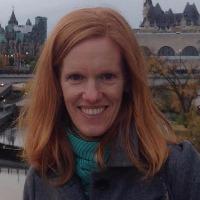
Associate Professor Alice Beban
Project Lead · Sociology, Massey University
Alice is an Associate Professor of Sociology in Massey University’s School of People, Environment and Planning and one of the academic leads of He Kaupapa Tūmanako / Project Hope. Her work explores hope, young people, environmental futures, social change and community-engaged learning, alongside wider research in environmental sociology and feminist political ecology.
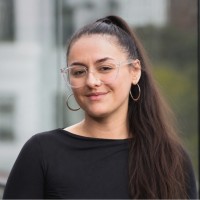
Nicolette (Nicki) Trueman
Head Tutor · Programme Coordinator & Curriculum Delivery
Nicki has been centrally involved in the development and delivery of Project Hope. She coordinates programme delivery, supports students and mentors, works with schools, facilitates online sessions and helps guide youth community action projects from early ideas through to completion.
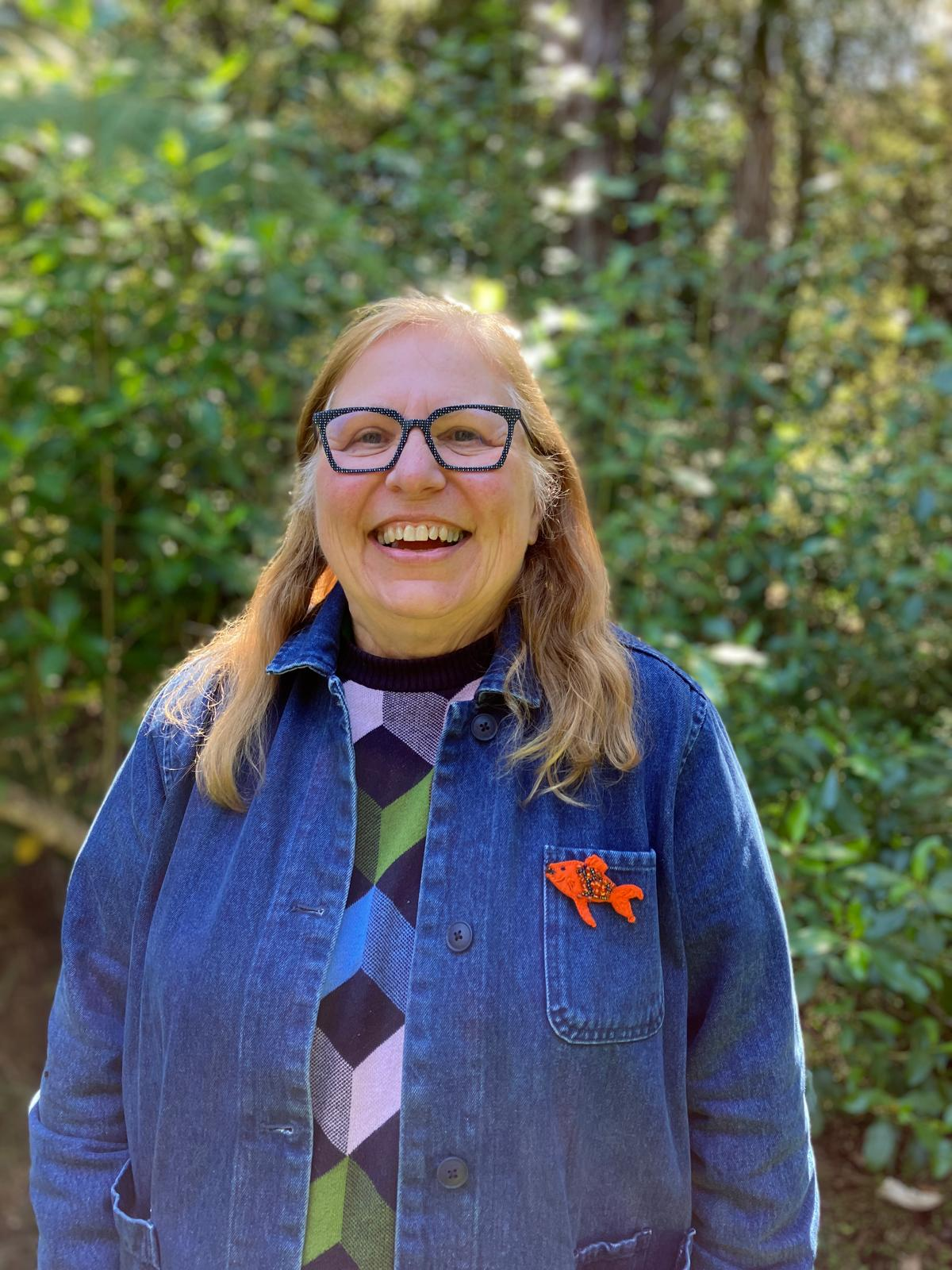
Dr Heather Meikle
Programme Coordinator · Environmental Education & Schools Partnerships
Heather brings extensive experience in secondary education, mentoring and environmental learning. Through Project Hope and Enviroschools, she supports school and teacher relationships, student action projects, curriculum development and the connections between youth learning and community environmental action.
A BRAND MADE WITH STUDENTS
The logo carries the kaupapa.
Students worked with a designer to create the Project Hope identity. The heart speaks to emotion, family and the idea that hope is something we make. The hand is connection: reaching, embracing, giving and receiving. The water drop/location pin speaks to Papatūānuku, place and our local–global connections. The open book also becomes a mountain — learning, perspective and seeing differently. Brought together in a circle, the symbols show Project Hope as cyclical, connected, strong and flexible.
Sun
energy, possibility and making
Peace
connection, relationship and belonging
Earth
place, whenua and Papatūānuku
Growth
learning, perspective and change
“The pandemic and especially lockdown in NZ made everyone feel quite scared and alone. I’m really glad this project exists.”
Project Hope graduate

