STUDENT PROJECTS
Real issues. Real action. Real learning.
Students choose issues they care about, build partnerships and work through the sticking points that turn an idea into action.
NGA TAWA SCHOOL
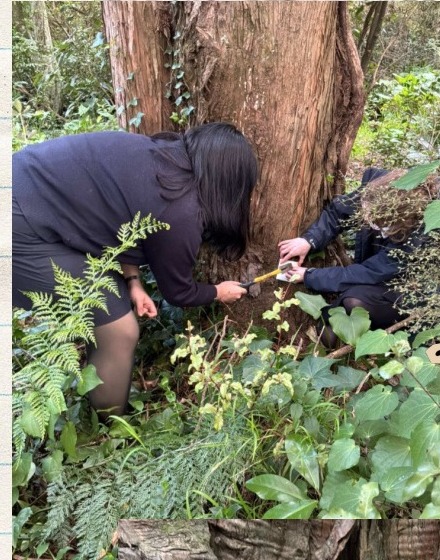
Native habitat, riparian planting & conservation
The team planted more than 300 native trees, established a riparian strip, organised composting and pest tracking, and built partnerships with local businesses and environmental groups. They also trained younger students so the work could continue after the course.
“A successful day of planting!”
Project Hope student, 2026
PALMERSTON NORTH GIRLS’ HIGH SCHOOL
Māra kai & environmental learning
When the original idea became too ambitious, students asked teachers for help, narrowed the project and divided responsibilities. They restored the school greenhouse and māra kai, bought seedlings and ran a flower-planting workshop for other students.
“It taught me lots about problem solving, resilience and teamwork.”
Palmerston North Girls’ High School student, 2026
AWATAPU COLLEGE
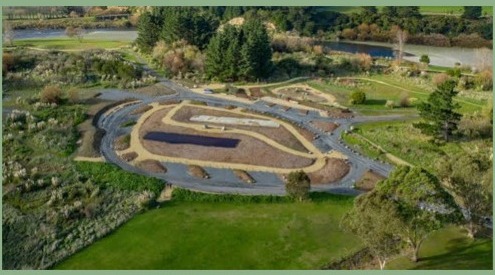
Ahimate Reserve community clean-up
34
volunteers
56.8 kg
rubbish removed
6
partner organisations
“In the end, the biggest outcome wasn’t just about what I achieved, it was about what I learned from getting there.”
Awatapu student leader
PALMERSTON NORTH BOYS’ HIGH SCHOOL
Project Growing Minds peer study support programme
A student-designed peer-support model addressed unequal access to academic help. Over the course of the Leadership Certificate, Project Growing Minds supported 25 students, with 13 classes and five tutors.
“The truth is students are lagging behind in school due to education inequality and we are trying to conquer this!”
Project Hope student, 2026
The learning is in the sticking points.
Across projects, students learn to seek advice, scale back over-ambitious ideas, share tasks, coordinate schedules, approach businesses, write grants and change direction when needed. Those moments are some of the most important leadership learning in Project Hope.

